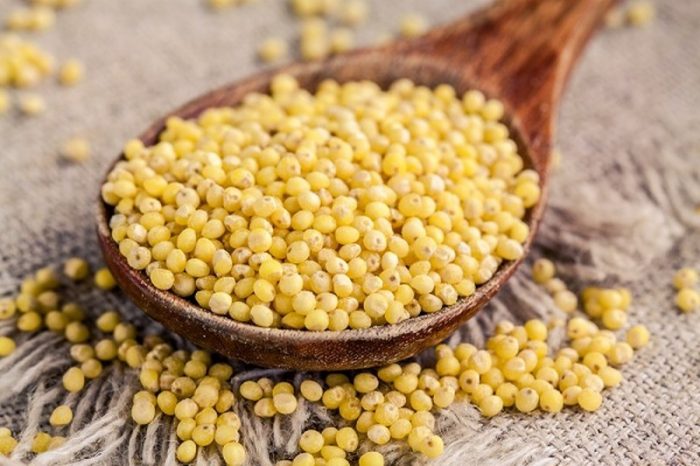
Anthimus was a greek phisician, raised in Bizanthium and then run away under the protection of Theodoricus the Great. Theodorico sent him as court doctor at the Franks king. A barbarian, settled north of the Alps. Anthimius tries to fusion mediterranean (greek) food wisdom with central european taste.
In this part of its “letter” to the Frank king, he presents the benefits of millet bread.

BREAD (LATIN)
In primis panem nitidum bene fermentatum, non azimum, sed bene coctum comedendum, et ubi focus fuerit, cotidie calentem, quia talis panis melius digerentur; nam si non bene leuatum fuerit, satis grauat stomachum. tamen fortior est hordeo: melius nutrit, sed non sic egeritur neque ipse neque sucus eius. panis uero masclaris melius nutrit quidem et melius egeritur.
*ENGLISH TRANSLATION (by the author of this blog)
First of all, prepare well-leavened fresh bread, not unleavened, but well cooked, and in case there is a fireplace, bake it every day, because this bread is digested better, because if it is not well leavened, it weighs heavily on the stomach. Barley is more tenacious: it is more nutricious, but neither it nor its juices are easily digested. Millet bread is nutricious and easier to digest.
IN PRACTICE
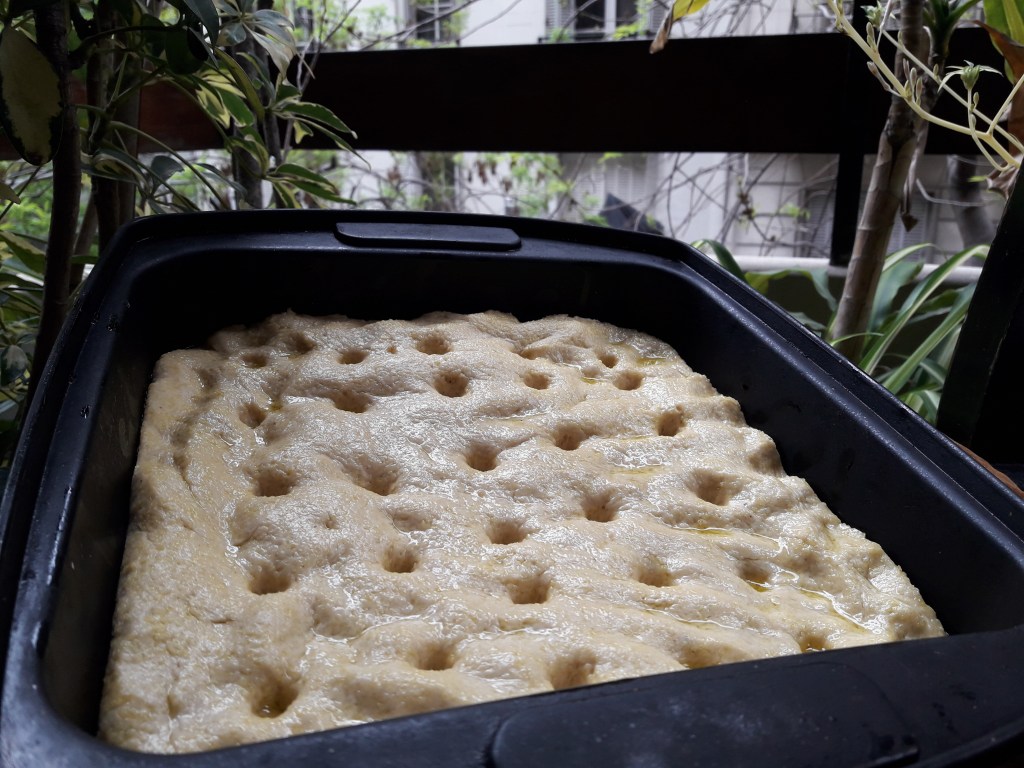
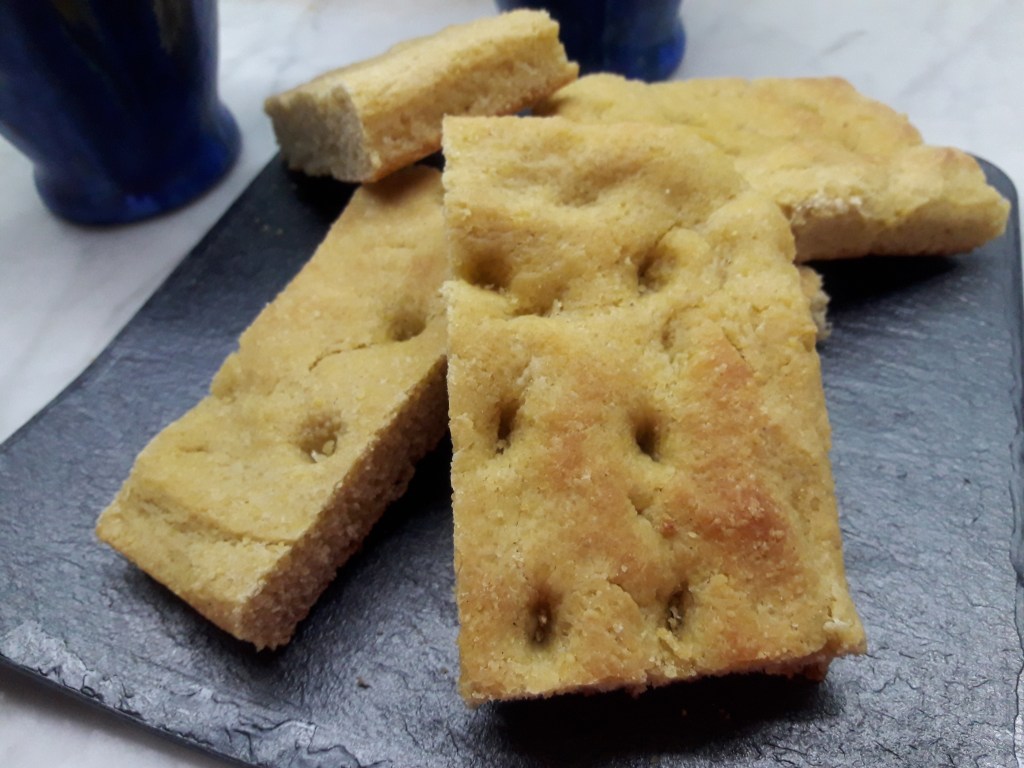
We don’t have a recipe from the sources. Romans, for the “panis miliaceum” were often mixing a part of wheat flour, so I also did. But should you have your fav recipe of 100% millet bread, you might youse yours.
- 350g MILLET FLOUR;
- 100g WHEAT FLOUR;
- 250g WATER;
- 25g Baker east
- Salt
- Olive oil
Mix the ingredients, let it double its volume, cook medium temperature untill ready
 Storia e storie in cucina