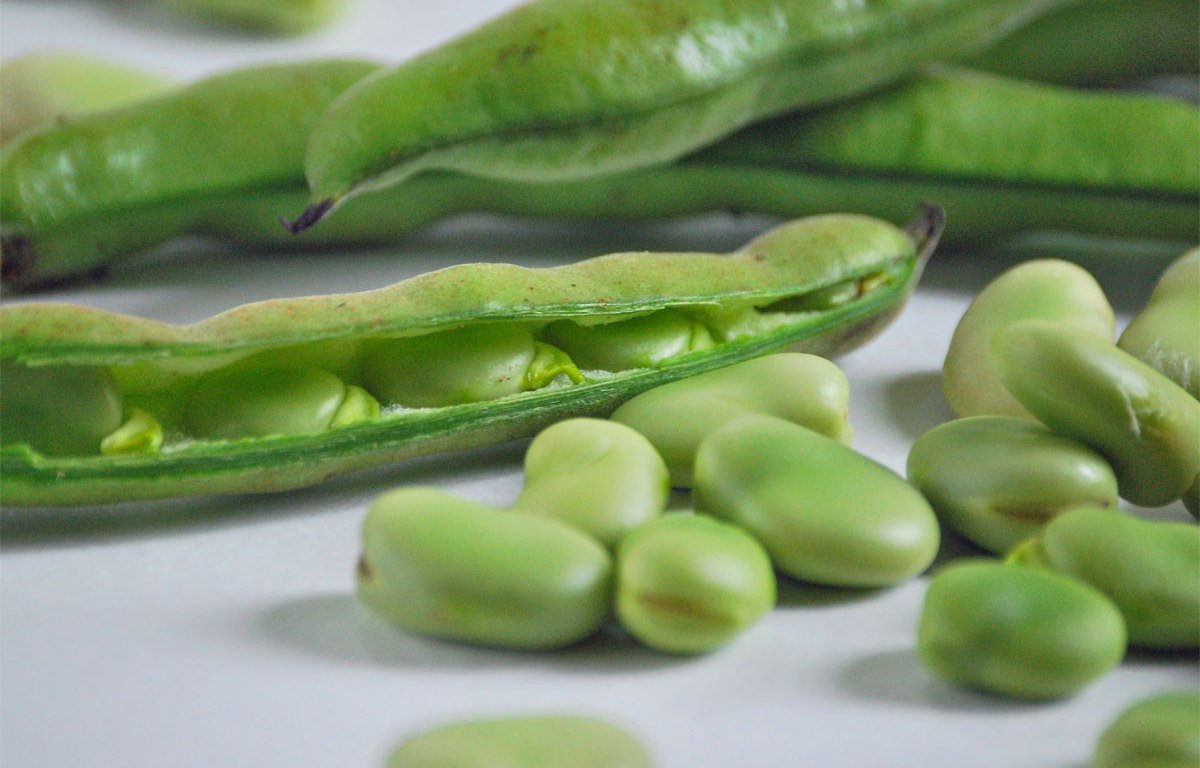
Both habas and goat chese (“pecorino” and “ricotta di pecora”) are known in the mediterranean tradition since antiques time.
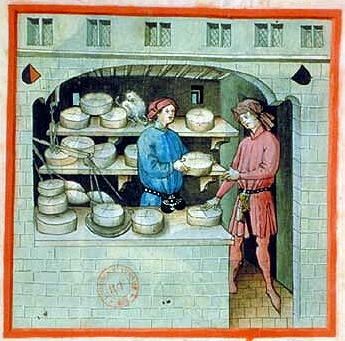
No surprises that “Anonimo Meridionale” gives them a relevant space in its manuscript, attributed to the sicilian court of Federico II.
The manuscript has strong arabic influence and yet, recipes like the one we are presenting today, deeply rooted in roman and greek tradition, are there to show, once more, the esquisite cultural melt that was encouraged at the court of Federico II, the “stupor mundi”.

The original recipe, in italian goes like that:
XXXXVIIII
Chi vole fare una torta de favi, spesce in prima, le fa bollire con cortecce tanto che siano meçe cocte. Quando è cosÌ et non facte, trande la medolla della fava dentro. Poy le micti a pistare et mictice lardo assay bactuto et mictice cascio frisco et non troppo, et se la torta è troppo grande, mictice tre ova et uno de sopra. É bono affare molto grasso, et sale ab uno modo, et se non fosse bene grasso, sarebe spesa perduta.
Which in english would translate as follow:
He who wants to make an habas pie, especially in spring, make them boil with the skins so much that they are half cooked. When it is so and not done, peel them. Then put them in a mortar and put in enough lard beaten and put in fresh cheese, not too much, and if the pie is too big, put in three eggs and one on top. It is good to use lots of butter, and salt in a certain mode, and if it was not well greased, it would be often lost.
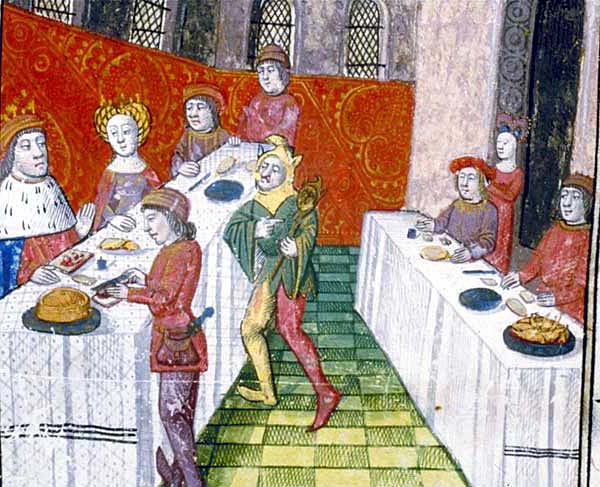
Medieval manuscript rarely offer precise measures, time and temperatures, so we need to use our wit and experience
For the crust, mix 250g of butter and 500 of flour. Let it rest at least 30 minutes.
For the filling: take 1 kg of habas, blanch them (“mezze cocte”) and then peel the beans one by one (“trande the medolla of the broad bean inside”). Sauté in a frypan with plenty of bakon (“mictice lardo assay bactuto”), let it cool, add 200g of sheep’s milk ricotta (‘cascio frisco and not too much’), three eggs, and mix with energy. The beans easily smash. Spice them, add herbs if you wish, and cook in the crust (approx 50 min, 200 degrees).
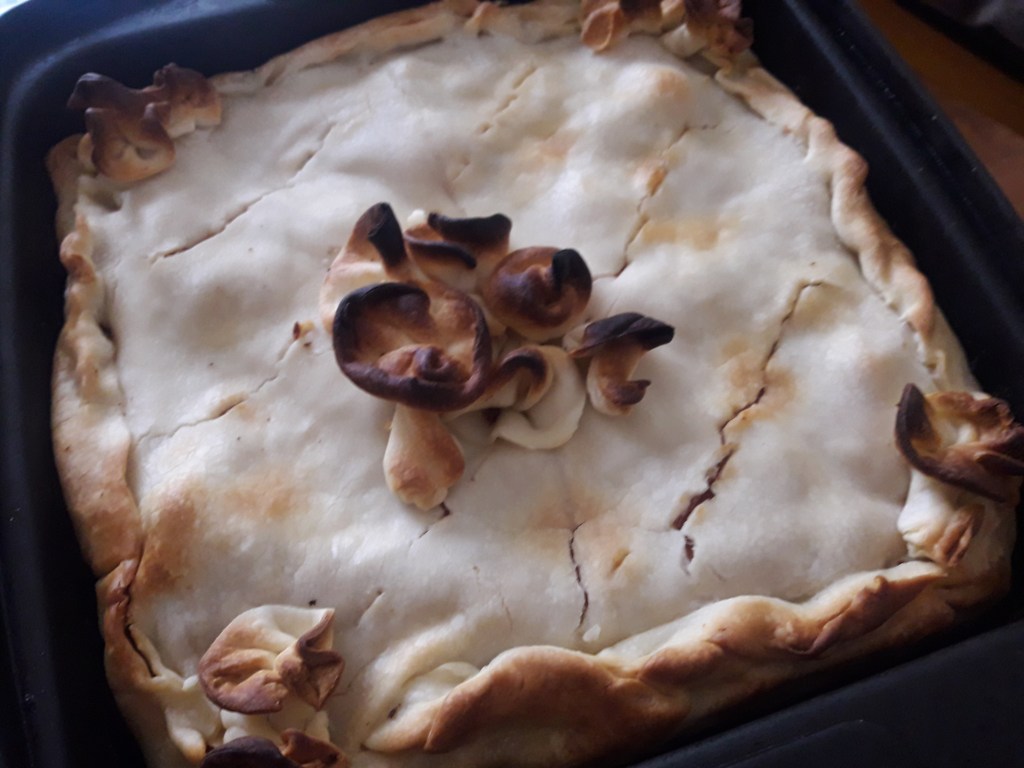
Should you want an extra touch – not mentionned in the manuscript but not unlikely for medievale times: smash only 2/3 of the beans, leave the other 1/3 whole and add to the purea, so to give an interesting bite. You can also add cubed ham and grated pecorino cheese.
 Storia e storie in cucina