Giovanni Manzini della Motta (ca. 1362-before 1422) is considered today an important representative of the first Italian humanism.
n the night of Christmas Eve of a year in the XIVth century, he was having dinner in Lunigiana at Branchino di Pulica’s house, and he is leaving us exactly the menu. In the general scarcity of culinary documents of the time, this dinner is a precious testimony of a menu of the late middle age.
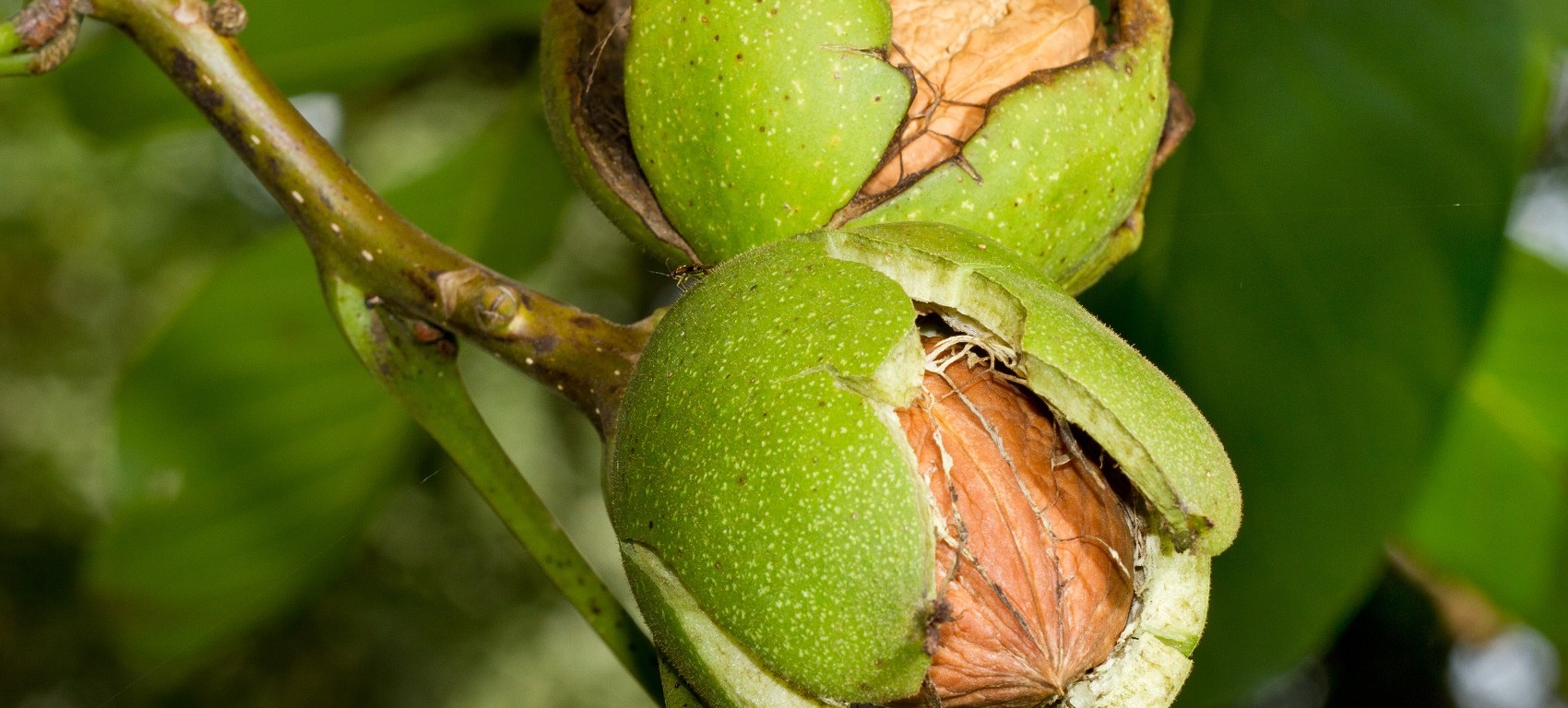
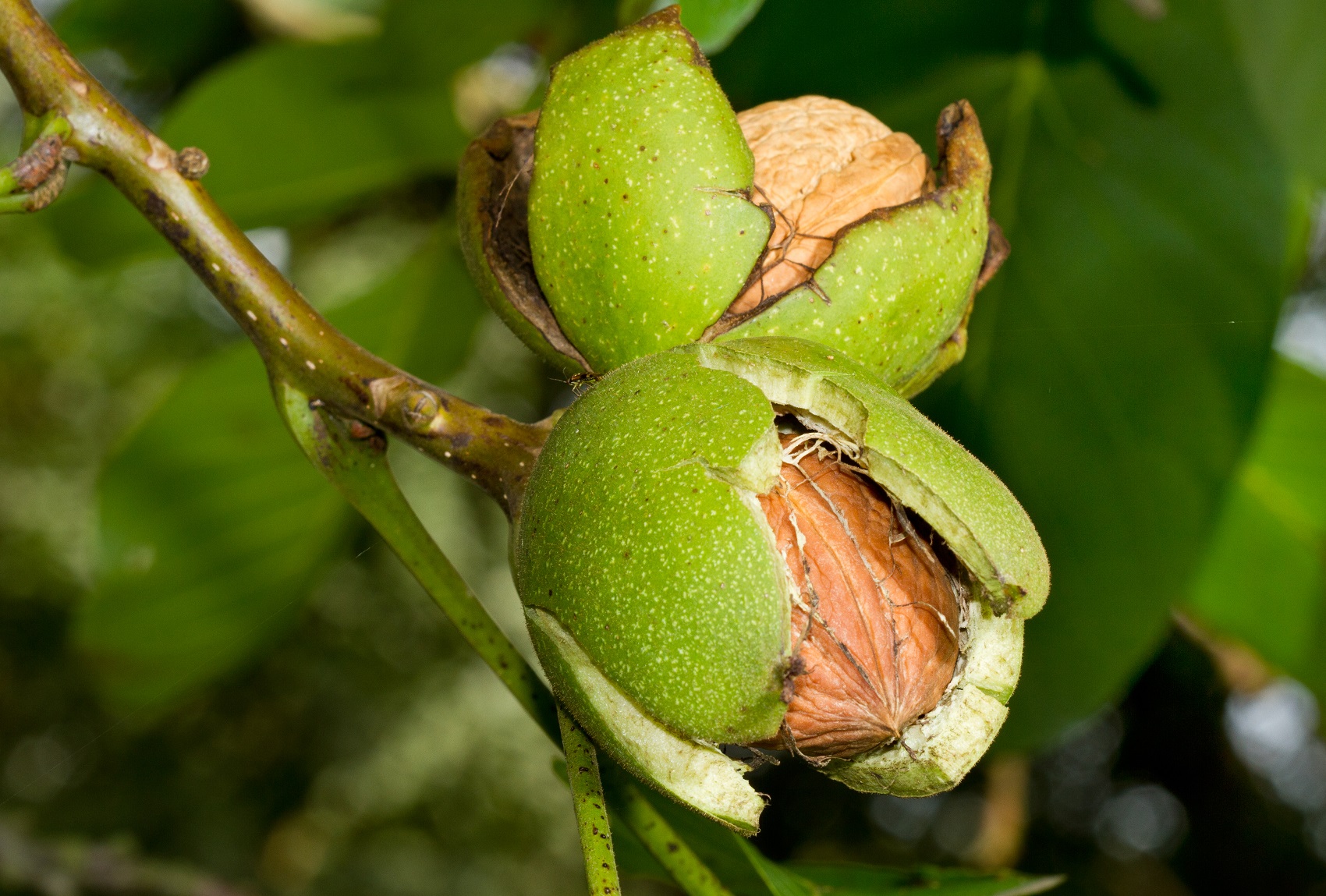
Among the main dishes, the lasagna with cheese and walnuts was one of the main ones.
The lasagne (laganum) were certainly known by the Romans (even the Latin poet Horace mention them, accompanied them with chickpeas and leeks). Most probably they were also knwon by the Greeks.
No surprise, so, to find lasagne among the common food of the medieval cuisine. In fact, boiled in water or baked in the oven, in their “white” version (cheese and spices) “lasagne” appear in almost all medieval recipe books. In particular, on Christmas evening at Branchino’s house, they ate lasagna with “cacio e noci” (cheese and walnuts).

We do not have the recipe but it is not difficult to imagine it, or recreate it.
It must also be said that this dish is among the known dishes of contemporary Italian cuisine and there are many modern variants of it

FOR THE CHEESE SAUCE • 300 gr di lasagne • 200 gr di mozzarella • 150 gr di asiago cheese • 150 gr di fontina cheese • 500 ml di bechamel • 50 gr di gratet parmisan • salt olive oil
FOR THE WALLNUTS FILLING • 30 gr butter • 50 gr parmesan • 100 gr walnuts • 1 cucchiaio di pine nuts • 1 garlic • 2 spoon EVO oil • 2 spoons of water • salt pepper
 Storia e storie in cucina
Ciao Anna,
I just finished making lasagne con cacio e noci. I found a recipe online that expands on your instructions for preparing this dish. The flavor is fabulous…it’s much better than I expected!! Definitely would be nice to serve for a special occasion.
Here’s the link to the recipe* I used:
https://www.cucinare.it/ricetta/lasagna-con-salsa-di-noci
* For the besciamella, I used a generic recipe.
— Mary
"Mi piace""Mi piace"